- Published on
Is Khat Haram in Islam? The Ruling on Chewing Khat Leaves
- Authors

- Name
- Sih C.
- Role
- Founder & Islamic Content Researcher • Islamful
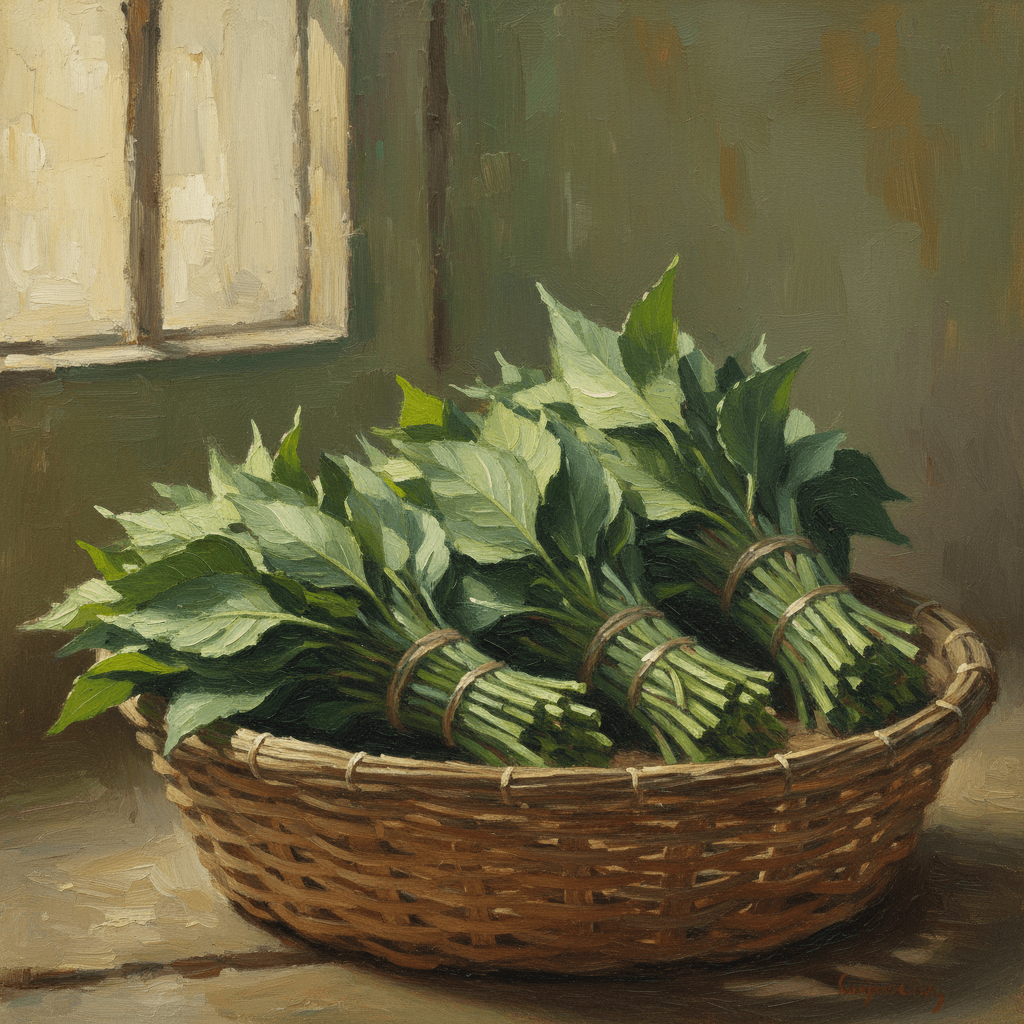
Khat is deeply embedded in the daily social life of millions of Muslims in Yemen, Ethiopia, Somalia, and across the East African diaspora. Sitting in a gathering, chewing fresh khat leaves, talking for hours — for many communities this is as routine as having tea. Yet the Islamic ruling on khat is a serious and contested question that deserves a careful answer.
The majority of contemporary scholars lean toward khat being haram, or at minimum strongly makruh. A minority — particularly from regions where khat use is culturally established — have taken more lenient positions. This article examines the evidence, the scholarly debate, and what the key principles of Islamic law say about this plant.
Quick Answer: Khat is haram or strongly makruh according to the majority of contemporary scholars. It contains addictive stimulants, causes documented harm to the body and mind, and many scholars hold that it falls under the general Islamic prohibition on substances that alter the mind or harm the body.
What Is Khat?
Khat (Catha edulis) is a flowering plant native to East Africa and the Arabian Peninsula. When fresh leaves are chewed, they release two primary active compounds:
- Cathinone — the stronger stimulant, chemically similar to amphetamine. It degrades quickly after the leaves are harvested, which is why khat is consumed fresh.
- Cathine — a milder stimulant related to ephedrine, which persists longer as leaves age.
The effects include increased alertness, suppressed appetite, euphoria, and extended periods of wakefulness. With repeated use, tolerance builds, and users require increasing amounts to achieve the same effect. The World Health Organization (WHO) classifies khat as a "drug of abuse" capable of causing psychological dependence, though it does not place it in the highest-risk category alongside substances like heroin.
The Islamic Evidence
The Quran on Intoxicants
The Quranic prohibition on intoxicants is the starting point for every scholar who has addressed khat:
يَا أَيُّهَا الَّذِينَ آمَنُوا إِنَّمَا الْخَمْرُ وَالْمَيْسِرُ وَالْأَنصَابُ وَالْأَزْلَامُ رِجْسٌ مِّنْ عَمَلِ الشَّيْطَانِ فَاجْتَنِبُوهُ
Ya ayyuha alladhina amanu innama al-khamru wa al-maysiru wa al-ansabu wa al-azlamu rijsun min 'amali al-shaytani fa-ijtanibuhu
"O you who believe, intoxicants, gambling, stone altars, and divining arrows are but defilement from the work of Satan, so avoid them." — Surah Al-Ma'idah, 5:90–91
The word used is khamr (خَمْر), which classical scholars define as anything that covers or veils the intellect. The debate over khat hinges on whether a stimulant that does not fully impair the intellect falls within this definition.
The Prophetic Hadith on Intoxicants
The Prophet Muhammad ﷺ gave a sweeping ruling that scholars apply directly to this question:
كُلُّ مُسْكِرٍ خَمْرٌ وَكُلُّ خَمْرٍ حَرَامٌ
Kullu muskirin khamrun wa kullu khamrin haram
"Every intoxicant is khamr, and every khamr is haram."
Source: Narrated by Muslim, 2003
The key term is muskir (مُسْكِر) — something that intoxicates. Scholars who rule khat haram argue that its euphoric and mind-altering effects, even if milder than alcohol, meet this definition. Those who take a more lenient view argue khat is a stimulant (munabbih), not a true intoxicant, and therefore falls outside the scope of this hadith.
The Prohibition on Self-Harm
Even if the intoxicant argument were not decisive, the Islamic prohibition on self-harm provides an independent basis for ruling khat impermissible:
لَا ضَرَرَ وَلَا ضِرَارَ
La darara wa la dirar
"There shall be no harm and no reciprocating harm." — Narrated by Ibn Majah, 2341
And the Quran directly:
وَلَا تُلْقُوا بِأَيْدِيكُمْ إِلَى التَّهْلُكَةِ
Wa la tulqu bi-aydikum ila al-tahlukah
"And do not throw yourselves into destruction with your own hands." — Surah Al-Baqarah, 2:195
The documented health effects of khat — addiction, severe dental disease, cardiovascular strain, insomnia, psychosis in heavy users, and oral cancer — are now well-established in medical literature. These harms invoke the same principle applied to shisha and vaping: if a substance is proven to harm the body, Islam prohibits consuming it. Scholars apply the same analysis to smoking and tobacco products across the board.
Scholar Opinions
| Position | Scholars / Institutions | Reasoning |
|---|---|---|
| Haram | Saudi scholars, Permanent Committee for Scholarly Research and Ifta (Saudi Arabia), majority of contemporary fatwa bodies | Meets definition of intoxicant or stimulant that alters the mind; causes established bodily harm; addiction |
| Makruh (strongly disliked) | Some scholars who distinguish it from full intoxicants | Stimulant but not fully mind-impairing; harm is real but debated in degree |
| Permissible with conditions | Historical position of some Yemeni and East African scholars | Khat is not a true muskir; part of established cultural tradition; no classical prohibition specifically names it |
The Saudi position is unambiguous. The Permanent Committee for Scholarly Research and Ifta in Saudi Arabia issued a fatwa declaring khat haram, based on its intoxicating and harmful properties. Saudi Arabia has banned khat entirely as a controlled substance.
Yemeni scholars have historically been more divided. Some early Yemeni scholars permitted khat on the grounds that it is a stimulant rather than an intoxicant — similar to how some scholars historically treated strong coffee. However, as medical evidence of khat's harms has accumulated, this lenient position has become increasingly difficult to maintain. Many contemporary Yemeni scholars have revised their view toward prohibition or strong discouragement.
The broader contemporary consensus among scholars who have engaged with modern pharmacological evidence is that khat should be avoided. The combination of addiction potential, documented psychological harm, and the cathinone compound's resemblance to controlled amphetamines makes the permissibility argument very hard to sustain.
The Stimulant vs. Intoxicant Debate
The central technical question in Islamic jurisprudence on khat is whether it is a muskir (intoxicant) or a munabbih (stimulant), since Islamic law specifically targets substances that impair the intellect.
Arguments for classifying khat as a prohibited intoxicant:
- Cathinone acts on the brain's dopamine and norepinephrine systems in a manner similar to amphetamine
- Regular users report euphoric states and altered perception
- Heavy use is associated with psychosis, paranoia, and significant cognitive changes
- The principle of sadd al-dhara'i (blocking the means to harm) supports prohibition even if doubt exists
Arguments for classifying khat as a mere stimulant:
- Unlike alcohol, khat does not typically cause loss of consciousness or complete loss of rational function
- A user does not become "drunk" in the way khamr causes
- Classical scholars did not specifically name khat among prohibited substances
The majority of contemporary scholars resolve this debate by noting that the prohibition on self-harm (la darar) is a sufficient and independent basis for ruling khat impermissible — even if one were to accept that it technically falls short of the full muskir definition. You do not need to win the intoxicant debate to conclude that khat is haram. The harm alone is enough.
For related questions on stimulants and harmful substances, the haram checker can help you evaluate specific products. See also our articles on is vaping haram, is shisha haram, and is CBD haram.
Common Questions
Q: Khat has been used for centuries in Yemen and East Africa — doesn't long tradition make it permissible?
Cultural longevity does not determine permissibility in Islam. Many practices that are ancient and culturally embedded are still evaluated on their merits under Islamic law. The Prophet ﷺ corrected many pre-Islamic Arabian customs regardless of how old they were. The relevant question is what Islamic principles say about the substance, not how long it has been used.
Q: If khat was really haram, why didn't classical scholars prohibit it explicitly?
Classical scholars in the Arabian Peninsula and beyond addressed khat when it became relevant to their communities. Many who did examine it ruled it prohibited — including several Yemeni scholars. Others were more cautious. The absence of an early universal ruling reflects the limited reach of khat outside specific regions at the time, not a scholarly permission. Contemporary scholars with full medical knowledge of its effects are better positioned to rule on it than those who had only partial information.
Q: Is it haram to sell or trade in khat?
If the substance itself is ruled haram to consume, profiting from its sale follows the same ruling. The Prophet ﷺ said: "If Allah has forbidden a thing, He has also forbidden its price." (Narrated by Abu Dawud, 3488) Scholars who rule khat consumption haram would apply the same ruling to its trade.
Halal and Haram Topic Guide
Explore general information about food, activities, and daily life
Free Islamic Tools
See all →Summary
Khat is haram or strongly makruh according to the majority of contemporary scholars. The ruling rests on two independent Islamic pillars:
- The intoxicant prohibition — cathinone alters the mind and produces euphoric effects that many scholars hold satisfy the definition of muskir under the hadith "every intoxicant is khamr, and every khamr is haram" (Muslim, 2003)
- The harm prohibition — khat causes documented addiction, dental disease, cardiovascular effects, psychological dependence, and in heavy users psychosis — invoking the principle la darara wa la dirar and the Quranic command not to throw oneself into destruction (Al-Baqarah, 2:195)
Key points:
- The WHO classifies khat as a drug of abuse; its primary active compound cathinone is a controlled substance in many countries
- Saudi scholars and the majority of contemporary fatwa bodies rule khat haram
- Historical leniency from some Yemeni and East African scholars was based on limited medical evidence and is increasingly revised
- Legality in some countries does not affect the Islamic ruling
- The same Islamic principles that prohibit smoking and vaping apply equally to khat
If you are in the habit of chewing khat, the Islamic guidance is to seek to stop. Addiction does not make someone a bad Muslim — but Islam expects us to strive against what harms us. Use our haram checker for questions about other substances or practices.
والله أعلم — Allah knows best.
Frequently Asked Questions
Is khat haram in Islam?
The majority of contemporary scholars rule that khat is haram or at minimum makruh (strongly disliked). The primary basis is the harm it causes to the body and mind — including addiction, psychological effects, and dental damage — which falls under the Islamic prohibition on self-harm. Some Yemeni and East African scholars have historically taken a more lenient position, but the dominant contemporary view leans toward prohibition.
Is khat the same as an intoxicant (khamr)?
This is the central scholarly debate. Khat contains cathinone and cathine, which are stimulants rather than classic intoxicants. Unlike alcohol, khat does not cause loss of consciousness or total mental impairment in normal amounts. However, many scholars argue it still falls under the prohibition because it alters the mind, causes dependency, and harms the body — even if the mechanism differs from khamr.
Is khat haram even in countries where it is legal?
The Islamic ruling is independent of civil law. Khat is legal in Yemen, Ethiopia, and several other countries but is controlled or banned in Saudi Arabia, the USA, and the EU. Legality does not determine permissibility in Islam. The ruling is based on Islamic principles of harm and intoxication, not local legislation.
What should I do if I am already addicted to khat?
Islam strongly encourages removing harm from your life. Addiction to khat is recognised by Islamic scholars as a valid reason to seek help — not a reason for blame. Gradually reducing use, seeking medical support, and making sincere du'a are all recommended steps. Allah is merciful to those who strive to correct themselves.