- Published on
Is Shisha Haram in Islam? What Scholars Ruled
- Authors

- Name
- Sih C.
- Role
- Founder & Islamic Content Researcher • Islamful
Send something beneficial to your loved ones
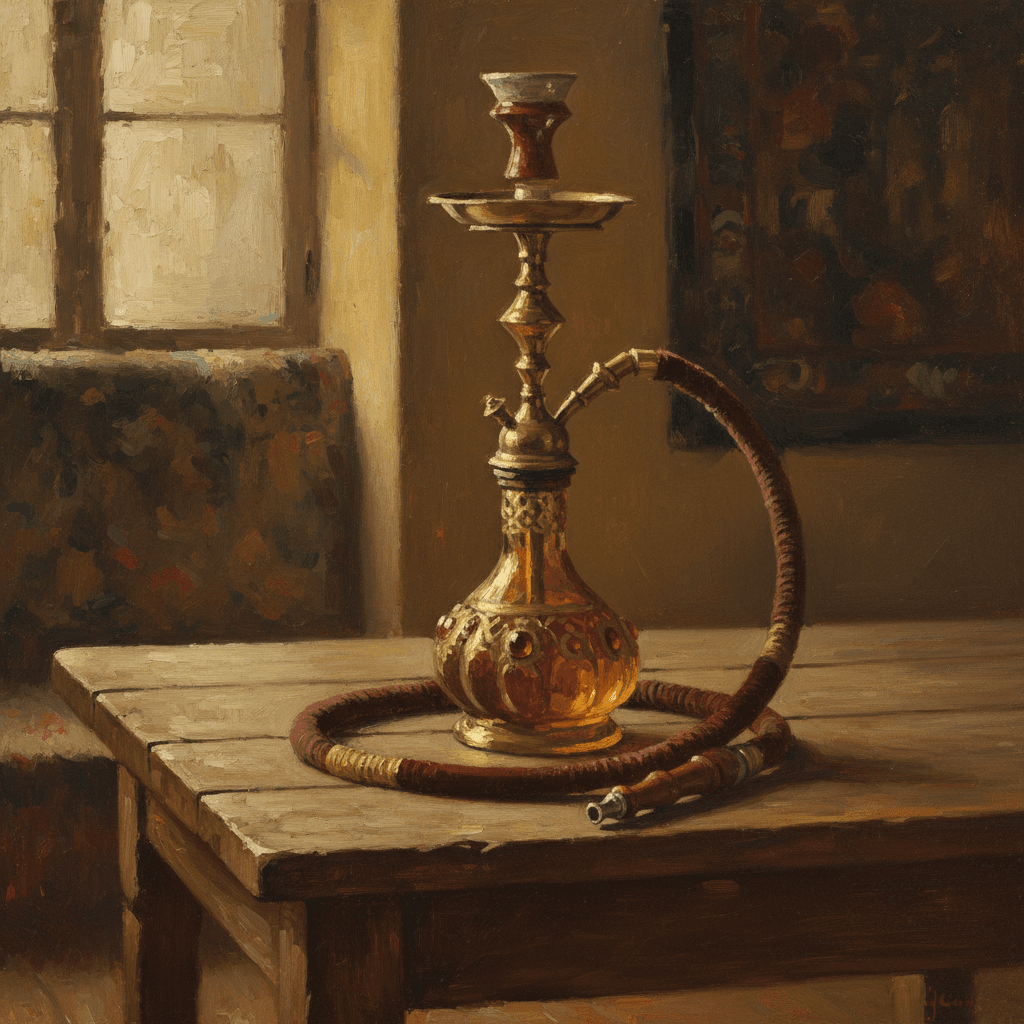
Shisha cafés have become a common social setting in Muslim communities worldwide. Unlike cigarettes, shisha carries a reputation of being more social, more flavorful, and somehow "less harmful." This perception is medically false — and it is why Islamic scholars have increasingly addressed the question directly.
The majority of contemporary scholars rule that shisha is haram. The ruling is the same as for cigarettes and hookah, and for the same reasons. If you have already read about whether smoking is haram or is hookah haram, the scholarly framework here is identical.
Quick Answer: Shisha is haram according to the majority of contemporary scholars. It causes proven medical harm, and Islam prohibits deliberately harming one's body. The water filtration gives a false impression of safety — a one-hour shisha session delivers toxins equivalent to smoking 100 or more cigarettes.
What Does Islam Say About Shisha?
Shisha is not mentioned in the Quran or hadith by name — tobacco arrived in the Muslim world centuries after the Prophet ﷺ. Scholars derive the ruling from Islamic principles applied to the known facts about shisha's health effects.
The primary Quranic principle is the prohibition of self-harm:
وَلَا تُلْقُوا بِأَيْدِيكُمْ إِلَى التَّهْلُكَةِ
Wa lā tulqū bi-aydīkum ilā al-tahlukah
"And do not throw yourselves into destruction." (Surah Al-Baqarah, 2:195)
This verse is central to the Islamic ruling on all forms of self-harm. The Prophet ﷺ reinforced this principle directly:
"There shall be no harm and no reciprocation of harm." (Narrated by Ibn Majah, 2341 — a foundational legal maxim)
Medical evidence now establishes conclusively that shisha smoke causes cancer, cardiovascular disease, respiratory illness, and nicotine addiction — the same harms as cigarettes, often in higher concentrations per session due to the extended duration of smoking.
Scholar Opinions
| Position | Scholars/Institutions | Reasoning |
|---|---|---|
| Haram | Majority of contemporary scholars, Al-Azhar (2000 fatwa), Dar al-Ifta Egypt, Islamic Fiqh Academy | Proven medical harm; violates Islamic prohibition on self-harm |
| Makruh (disliked) | Historical position of some classical scholars before medical evidence | Harm was not clearly established; uncertainty led to dislike rather than prohibition |
| Debated with conditions | Small minority citing lack of direct textual evidence | Argue general permissibility of pleasures unless specifically prohibited |
The dominant contemporary ruling is unambiguously haram. In 2000, Al-Azhar issued a fatwa declaring tobacco products, including shisha, to be haram based on their medically proven harms. The Islamic Fiqh Academy affiliated with the Organisation of Islamic Cooperation (OIC) reached the same conclusion.
The earlier "makruh" position was based on uncertainty about harm before modern medicine. Now that harm is definitively established, scholars argue there is no longer any basis for the makruh classification.
The Medical Reality That Drives the Ruling
One of the most common misconceptions about shisha is that water filtration makes it safer. It does not.
A single shisha session typically lasts 45-60 minutes and produces smoke volume equivalent to 100-200 cigarettes. The water removes some particles but does not filter out carbon monoxide, heavy metals, or carcinogens. Shisha smokers inhale:
- Carbon monoxide (a leading cause of shisha-related hospitalizations)
- Arsenic, lead, and nickel from the charcoal and tobacco
- Polycyclic aromatic hydrocarbons (carcinogens)
- The same nicotine as cigarettes — making addiction highly probable
This medical reality is why contemporary scholars, even those who might have hesitated in the past, have generally aligned on a haram ruling. The harm is not disputed.
Conditions and Gray Areas
Is flavored or herbal shisha haram? Scholars who base the ruling on harm note that herbal shisha still burns charcoal and produces the same combustion products. The charcoal itself generates carbon monoxide regardless of what is being burned. Non-tobacco shisha products are therefore not considered a permissible alternative by most scholars.
What about electronic shisha / e-hookahs? Electronic alternatives vary widely in content and harm profile. Those containing nicotine carry the addiction concern. Those without nicotine but with flavoring chemicals may still have harmful effects not yet fully studied. Scholars generally advise caution and note that using the halal checker for specific products can help clarify individual cases. For the ruling on electronic cigarettes specifically, see is vaping haram.
Is it haram to work in a shisha café? Working in a place whose primary business is something haram is itself problematic. Scholars who rule shisha haram would generally advise against taking employment at shisha cafés, though the ruling on the employee may differ from the ruling on the activity itself depending on one's role.
Common Misconceptions
Q: Scholars in my country say shisha is just makruh, not haram. Who is right? The "makruh" position is a historical one based on pre-medical-evidence reasoning. Contemporary scholars with access to modern medical research have generally updated this ruling to haram. You may encounter older fatwas or scholars following older positions, but the current scholarly consensus is clearly on the side of prohibition. For related rulings, see is smoking haram.
Q: If I only smoke shisha occasionally, does the ruling change? No. The Islamic ruling on haram applies regardless of frequency. Consuming alcohol occasionally is still haram; the same principle applies to shisha. Additionally, addiction research shows that even occasional use can lead to dependence due to nicotine content.
Q: Can I smoke shisha if I am not Muslim? This article addresses the Islamic ruling for Muslims. Islamic rulings on prohibitions apply to Muslims. Non-Muslims are free to make their own choices.
Summary
Shisha is haram according to the overwhelming majority of contemporary scholars. The ruling is based on:
- The Quranic prohibition on self-harm (Surah Al-Baqarah, 2:195)
- The prophetic principle that "there shall be no harm" (Ibn Majah, 2341)
- The definitive medical evidence of shisha's severe health consequences
- Fatwas from major Islamic institutions including Al-Azhar and the OIC Fiqh Academy
Key points:
- Water filtration does not make shisha safe — it is medically equivalent to or worse than cigarettes
- The makruh position has been superseded by the haram ruling given established medical evidence
- Herbal or non-tobacco alternatives are not a permissible workaround
- Muslims already in the habit of smoking shisha are encouraged to seek help quitting
Protecting your health is a religious obligation, not just a personal preference. Quitting shisha is an act of obedience to Allah ﷻ. Staying consistent with your prayer times and worship helps build the discipline needed to break harmful habits.
Allah knows best. والله أعلم
Halal and Haram Topic Guide
Explore general information about food, activities, and daily life
Send something beneficial to your loved ones
Frequently asked questions
Is shisha haram in Islam?
Yes, according to the majority of contemporary scholars, shisha (water pipe / hookah) is haram. The ruling is based on the proven medical harm of shisha smoke, which contains the same toxins as cigarettes. Islam prohibits causing deliberate harm to one's body. A minority of classical scholars would have classified it as makruh (disliked) due to the harm being less obvious before modern medicine, but this position is rarely maintained today.
Is shisha the same as hookah?
Yes. Shisha, hookah, water pipe, narghile, and hubbly-bubbly all refer to the same device and practice: tobacco (or similar substances) burned over charcoal, filtered through water, and inhaled through a hose. The water does not filter out harmful toxins — a one-hour shisha session delivers approximately 100 times the smoke volume of a single cigarette.
What if shisha tobacco is replaced with herbal/non-tobacco products?
Herbal shisha products still produce harmful combustion byproducts from the charcoal. The harm is not only from tobacco but from inhaling smoke itself. Most scholars who rule shisha haram do so based on the harm of the practice, not solely on the tobacco content. Non-tobacco shisha still carries significant health risks and remains problematic from an Islamic perspective.
Is it haram to sit with others who are smoking shisha?
Sitting in a room filled with shisha smoke exposes you to secondhand harm, which scholars note is also problematic. Beyond passive smoking, scholars advise that a Muslim should not participate in or normalize what is haram. If avoiding such gatherings is possible, it is preferable. When attendance is unavoidable (family events, etc.), distancing yourself from the smoke is recommended.