- Published on
Is Lobster Haram in Islam? The Ruling on Seafood Explained
- Authors

- Name
- Sih C.
- Role
- Founder & Islamic Content Researcher • Islamful
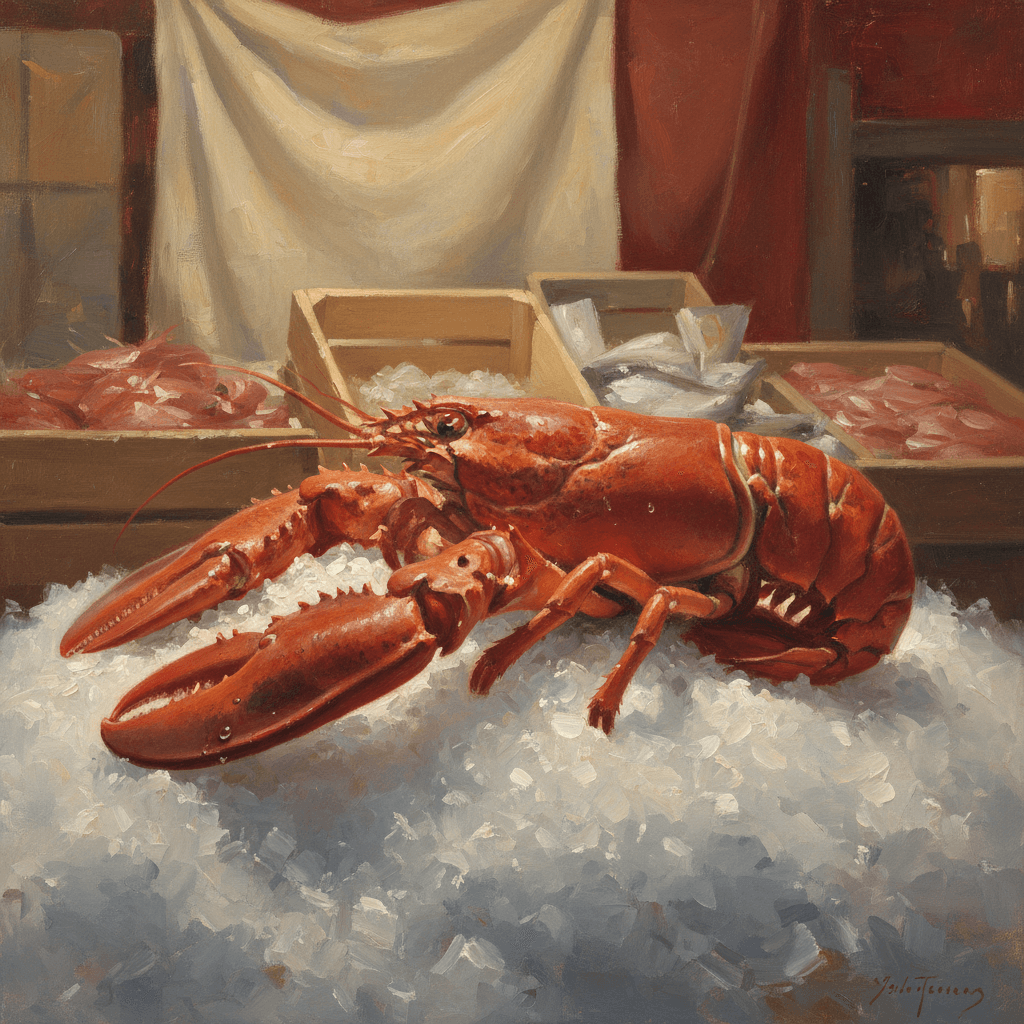
Is Lobster Haram? The Islamic Ruling
Lobster is halal according to the majority of Islamic scholars. The Shafi'i, Maliki, and Hanbali schools all permit lobster based on the broad Quranic permission for all seafood. The Hanafi school, however, limits permissible sea creatures to fish with scales, which means lobster is either haram or makruh tahrimiyan (prohibitively disliked) under the strict Hanafi view.
This is a genuine area of ikhtilaf (scholarly disagreement), and the ruling you follow depends on your school of jurisprudence. For a broader introduction to how Islamic law classifies what is permitted and what is not, see the halal vs haram guide.
Quick Answer: Lobster is halal for the majority of Muslims. The Shafi'i, Maliki, and Hanbali schools permit it based on Surah Al-Ma'idah 5:96. The Hanafi school considers it impermissible because it is not a scaled fish. Follow your madhab and consult a trusted scholar if unsure.
Want to check another food or ingredient? Use our Haram Checker for an instant AI-powered ruling.
Halal and Haram Topic Guide
Explore general information about food, activities, and daily life
The Evidence from Quran and Sunnah
The primary evidence for the permissibility of seafood comes directly from the Quran. Allah (SWT) says:
أُحِلَّ لَكُمْ صَيْدُ الْبَحْرِ وَطَعَامُهُ مَتَاعًا لَّكُمْ وَلِلسَّيَّارَةِ
Uhilla lakum saydul-bahri wa ta'amuhu mata'an lakum wa lis-sayyarah
"Lawful to you is the game of the sea and its food as provision for you and for travelers." (Surah Al-Ma'idah, 5:96)
The majority of scholars understand صَيْدُ الْبَحْرِ (saydul-bahr, "game of the sea") to cover all sea creatures without restriction. Lobster lives in the sea and is caught from it, so it falls squarely within this general permission.
Allah (SWT) also says:
وَهُوَ الَّذِي سَخَّرَ الْبَحْرَ لِتَأْكُلُوا مِنْهُ لَحْمًا طَرِيًّا
Wa huwal-ladhi sakhkharal-bahra lita'kulu minhu lahman tariyyan
"And it is He who subjected the sea for you to eat from it tender meat." (Surah An-Nahl, 16:14)
The Prophet (peace be upon him) also said about the sea:
هُوَ الطَّهُورُ مَاؤُهُ الْحِلُّ مَيْتَتُهُ
Huwa at-tahuru ma'uhu, al-hillu maytatuhu
"Its water is pure and its dead are halal." (Narrated by Abu Dawud, 83; Tirmidhi, 69)
The majority of scholars use this hadith to argue that all sea creatures are permissible, even without ritual slaughter — including crustaceans like lobster, crab, and shrimp. The Hanafi school interprets "its dead" more narrowly, applying it only to fish that die naturally in the water, not to all sea creatures.
Ibn Abbas (may Allah be pleased with him) explained Surah Al-Ma'idah 5:96 broadly, stating that "the game of the sea" refers to what is caught alive and "its food" refers to what the sea casts out. This supports the view that the Quranic permission is general and unrestricted.
Scholar Opinions by Madhab
The four schools of Islamic jurisprudence approach this question in meaningfully different ways. Knowing each position helps you follow your school correctly.
The majority view: lobster is halal
The Shafi'i, Maliki, and Hanbali schools all hold that lobster is halal. Their reasoning rests directly on Surah Al-Ma'idah 5:96: Allah has permitted "the game of the sea" without specifying any particular type of sea creature or excluding any. Since lobster is a sea creature, it is permissible.
Imam al-Nawawi (Shafi'i) explicitly stated that all sea animals are halal, regardless of whether they resemble land animals. Imam Malik took the same position, permitting all sea creatures including shellfish and crustaceans. The Hanbali school likewise considers all sea creatures halal by default.
The Hanafi view: lobster is not permissible
The Hanafi school takes a more restricted approach. Hanafi jurists limit halal seafood to fish (samak) — specifically creatures with scales that live their entire lives in water and die when removed from it. Lobster is a crustacean with a hard exoskeleton rather than a scaled fish, so it falls outside the Hanafi criteria for permissible seafood.
Most classical Hanafi scholars classify lobster as makruh tahrimiyan (prohibitively disliked, functionally equivalent to haram). Some contemporary Hanafi scholars have taken a more lenient position citing the general hadith evidence, but the traditional and predominant Hanafi ruling remains restrictive. If you follow the Hanafi school, the safer position is to avoid lobster.
Madhab comparison table
| Madhab | Ruling on Lobster | Reasoning |
|---|---|---|
| Shafi'i | Halal | All sea creatures are permitted (Quran 5:96) |
| Maliki | Halal | All sea creatures are permitted without exception |
| Hanbali | Halal | All sea creatures are permitted by default |
| Hanafi | Haram / Makruh | Only scaled fish (samak) is permissible from the sea |
The same Hanafi reasoning applies to other shellfish and crustaceans. See our detailed guide on is crab haram for a direct comparison with a closely related species.
Conditions and Practical Considerations
Preparation and cross-contamination. Even if lobster itself is halal according to your madhab, ensure it has not been cooked with wine, pork-derived butter, or other haram ingredients. When dining out, it is worth asking how the lobster is prepared — many restaurant recipes include alcohol-based sauces. For a similar question about hidden animal-derived ingredients, see is gelatin haram.
Live boiling. Lobsters are typically cooked alive by dropping them into boiling water. The scholarly consensus is that sea creatures do not require ritual slaughter (dhabhah), so the manner of killing does not affect the halal ruling for those who permit lobster in the first place.
Land lobsters and freshwater species. The Quranic permission in 5:96 refers specifically to "the game of the sea." Freshwater lobsters (such as crayfish) technically fall outside the sea category and may be treated differently by some scholars. Sea lobster — the kind most widely consumed — is what the majority rulings address.
Following your madhab. If you are certain of your school of jurisprudence, follow its ruling. If you are unsure which madhab to follow or are in a situation where you feel compelled to eat, consult a qualified scholar. The Prophet (peace be upon him) advised: "Leave what makes you doubt for what does not make you doubt." (Tirmidhi, 2518) Keeping your daily prayers consistent while navigating these rulings helps ground your practice in worship.
Common Questions
Is shrimp also haram in the Hanafi school?
Yes. The same Hanafi reasoning that excludes lobster also applies to shrimp, crab, and other shellfish — they are crustaceans, not scaled fish. The Shafi'i, Maliki, and Hanbali schools consider shrimp halal. For a related question involving seafood in Japanese cuisine, see our article on is sushi haram.
Is lobster bisque or lobster soup halal?
The ruling on the soup follows the ruling on the lobster itself. If lobster is permissible for you, lobster bisque is permissible provided no haram ingredients (cream made with additives, wine, etc.) are used. If you follow the Hanafi school, the dish remains impermissible since it is based on lobster.
Can I eat lobster in a non-Muslim country?
The geographical location does not change the Islamic ruling on lobster. What matters is the nature of the food itself and how it is prepared, not where you are eating it. The same madhab-based analysis applies whether you are in a Muslim-majority country or not.
Summary
The ruling on lobster divides along madhab lines. The Shafi'i, Maliki, and Hanbali schools all consider lobster halal, grounded in the clear Quranic permission in Surah Al-Ma'idah 5:96 and the hadith declaring all sea creatures permissible. The Hanafi school considers lobster haram or makruh tahrimiyan, restricting halal seafood to scaled fish only.
This is a legitimate area of scholarly disagreement with strong evidence on both sides. Follow the ruling of your madhab, pay attention to how the food is prepared, and consult a trusted scholar when you are genuinely unsure. For instant rulings on other foods and ingredients, try our Haram Checker. You can also explore our article on is crab haram for a closely related ruling or is sushi haram for broader questions about seafood in different culinary contexts.
Allah knows best (والله أعلم).
Free Islamic Tools
See all →Frequently Asked Questions
Is lobster halal or haram in Islam?
Lobster is halal according to the majority of scholars (Shafi'i, Maliki, and Hanbali schools) based on Surah Al-Ma'idah 5:96, which permits all seafood. The Hanafi school considers lobster haram or makruh tahrimiyan, as they restrict permissible seafood to fish with scales only.
Why do Hanafi scholars say lobster is haram?
Hanafi scholars limit halal seafood to fish (samak) — creatures with scales that live exclusively in water. Lobster is a crustacean, not a fish, so it does not meet the Hanafi criteria. The traditional Hanafi ruling classifies it as makruh tahrimiyan (prohibitively disliked) or haram.
Which seafood is halal according to all four madhabs?
Regular fish with scales (such as salmon, tuna, cod, and tilapia) is halal according to all four madhabs. Lobster, crab, shrimp, and other shellfish are halal for Shafi'i, Maliki, and Hanbali followers, but not for those who follow the strict Hanafi position.
Can I eat lobster at a restaurant if I am Muslim?
If you follow the Shafi'i, Maliki, or Hanbali school, lobster is permissible for you. If you follow the Hanafi school, the traditional ruling is to avoid it. Regardless of madhab, ensure the lobster has not been cooked with wine or other haram ingredients. When in doubt, consult a trusted scholar.