- Published on
Dua for Pain — Islamic Supplications for Relief and Healing
- Authors

- Name
- Sih C.
- Role
- Founder & Islamic Content Researcher • Islamful
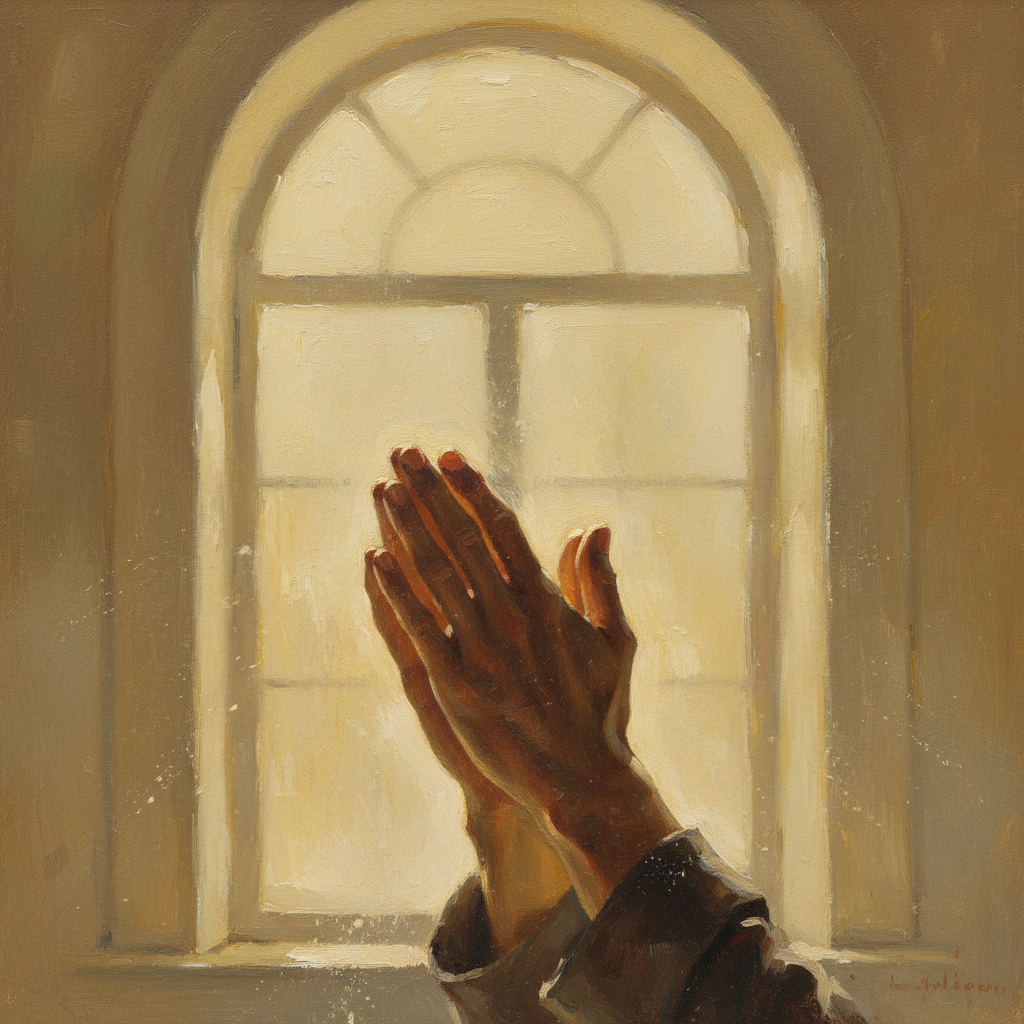
Pain is a reminder of our vulnerability before Allah. The Prophet Muhammad ﷺ did not tell us to endure pain in silence — he taught us specific words to recite, specific actions to take, and a direct way to seek Allah's relief. These duas are drawn from Sahih Muslim and have been practiced by Muslims for over fourteen centuries.
Recite them with certainty that Allah hears, and with the trust of someone who knows that all healing belongs to Him alone.
1. The Main Dua for Pain — Muslim 2202
This is the most direct prophetic dua for physical pain. Uthman ibn Abi al-'As (may Allah be pleased with him) complained to the Prophet ﷺ about a pain he felt in his body. The Prophet ﷺ told him:
Place your hand on the part of your body that hurts. Say "Bismillah" three times. Then say the following seven times:
Arabic:
أَعُوذُ بِاللَّهِ وَقُدْرَتِهِ مِنْ شَرِّ مَا أَجِدُ وَأُحَاذِرُ
Transliteration:
A'ūdhu billāhi wa qudratihi min sharri mā ajidu wa uḥādhiru
Translation:
"I seek refuge in Allah and in His power from the evil of what I find and what I fear."
Source: Sahih Muslim 2202
How to perform it:
- Place your right hand on the area of pain.
- Say "Bismillah" (بِسْمِ اللَّهِ) — three times.
- Then recite the dua above — seven times.
Uthman ibn Abi al-'As reported that after following this instruction, Allah removed whatever pain he had been suffering. This method — hand, Bismillah three times, then the dua seven times — is precise and established.
2. The Ruqyah of Jibril — Muslim 2186
When the Prophet ﷺ was ill, the Angel Jibril (peace be upon him) came to him and performed ruqyah using these words. This supplication asks Allah directly to heal and affirms that healing comes only from Him.
Arabic:
بِسْمِ اللَّهِ أَرْقِيكَ، مِنْ كُلِّ شَيْءٍ يُؤْذِيكَ، مِنْ شَرِّ كُلِّ نَفْسٍ أَوْ عَيْنِ حَاسِدٍ، اللَّهُ يَشْفِيكَ، بِسْمِ اللَّهِ أَرْقِيكَ
Transliteration:
Bismillāhi arqīk, min kulli shay'in yu'dhīk, min sharri kulli nafsin aw 'ayni ḥāsid, Allāhu yashfīk, Bismillāhi arqīk
Translation:
"In the name of Allah I perform ruqyah over you, from everything that harms you, from the evil of every soul or envious eye — may Allah heal you. In the name of Allah I perform ruqyah over you."
Source: Sahih Muslim 2186
This dua can be recited upon yourself or upon another person who is ill or in pain. Blow gently over the affected area or over your hands and wipe over the body after reciting.
3. Ayat al-Kursi and the Mu'awwidhatayn
The Prophet ﷺ used to recite Ayat al-Kursi (Surah Al-Baqarah 2:255), Surah Al-Falaq (113), and Surah An-Nas (114) when he was sick — blowing into his cupped hands and then wiping over his body (Sahih Bukhari 5016–5017).
These three recitations together form the core of prophetic self-ruqyah:
- Ayat al-Kursi affirms Allah's complete dominion and sovereignty over all things.
- Surah Al-Falaq seeks refuge from all created harms — including physical ailments and the evil eye.
- Surah An-Nas seeks refuge from the whispering of Shaytan, who amplifies fear and pain.
Recite each one, blow into your cupped hands, and gently wipe over your body — repeating three times. This is the practice of the Prophet ﷺ during illness and pain.
When and How to Recite
For the dua from Muslim 2202:
- Recite it at the moment of experiencing pain.
- Place your right hand directly on the site of pain.
- Say "Bismillah" three times first — this is part of the prescribed method.
- Then recite the dua seven times.
- You can repeat this as often as needed. Consistency and sincerity matter more than any precise schedule.
For the ruqyah of Jibril (Muslim 2186):
- Recite it over yourself or over another person who is ill.
- Blow gently after reciting — either over the affected area or into cupped hands wiped over the body.
- It is appropriate to recite this when visiting a sick person.
General guidance:
- Combine dua with lawful medical treatment. The Prophet ﷺ said: "Make use of medical treatment, for Allah has not made a disease without appointing a remedy for it." (Abu Dawud 3855)
- Face the qiblah if possible when making dua, and begin with praise of Allah and salawat upon the Prophet ﷺ.
- Do not abandon dua if relief does not come immediately. Ibrahim (peace be upon him) said: "And when I am ill, it is He who cures me." (Ash-Shu'ara 26:80) — His healing comes in His time and in His way.
The Islamic Understanding of Pain and Healing
Islam does not treat pain as meaningless. The Prophet ﷺ said: "No fatigue, nor disease, nor sorrow, nor sadness, nor hurt, nor distress befalls a Muslim — even if it were the prick he receives from a thorn — but that Allah expiates some of his sins for that." (Bukhari 5641–5642)
This does not mean we do not seek relief. It means that even while seeking relief, the believer is gaining from their suffering. The duas above are prescribed acts of worship — reciting them is itself a form of ibadah, regardless of when the pain subsides.
Healing (shifa') belongs entirely to Allah. The dua, the doctor, and the medicine are all means (asbab). We use every means available while placing our trust (tawakkul) only in Him.
أَصْبَحْنَا وَأَصْبَحَ الْمُلْكُ لِلَّهِ، وَالْحَمْدُ لِلَّهِ، لَا إِلَهَ إِلَّا اللَّهُ وَحْدَهُ لَا شَرِيكَ لَهُ، لَهُ الْمُلْكُ وَلَهُ الْحَمْدُ وَهُوَ عَلَى كُلِّ شَيْءٍ قَدِيرٌ
Asbahna wa asbahal-mulku lillah, walhamdu lillah, la ilaha illallahu wahdahu la shareeka lah, lahul-mulku walahul-hamd, wahuwa 'ala kulli shay'in qadeer
We have reached the morning and at this very time all sovereignty belongs to Allah. All praise is for Allah. None has the right to be worshipped except Allah alone, without partner. To Him belongs all sovereignty and praise, and He is over all things omnipotent.
Abu Dawud 4:317
اللَّهُمَّ بِكَ أَصْبَحْنَا، وَبِكَ أَمْسَيْنَا، وَبِكَ نَحْيَا، وَبِكَ نَمُوتُ، وَإِلَيْكَ النُّشُورُ
Allahumma bika asbahna, wa bika amsayna, wa bika nahya, wa bika namootu, wa ilaykan-nushoor
O Allah, by Your leave we have reached the morning and by Your leave we have reached the evening, by Your leave we live and die, and unto You is our resurrection.
At-Tirmidhi 5:466
اللَّهُمَّ إِنِّي أَسْأَلُكَ الْعَافِيَةَ فِي الدُّنْيَا وَالْآخِرَةِ، اللَّهُمَّ إِنِّي أَسْأَلُكَ الْعَفْوَ وَالْعَافِيَةَ فِي دِينِي وَدُنْيَايَ وَأَهْلِي وَمَالِي
Allahumma inni as'alukal-'afiyah fid-dunya wal-akhirah. Allahumma inni as'alukal-'afwa wal-'afiyah fi deeni wa dunyaya wa ahli wa maali
O Allah, I ask You for well-being in this world and the next. O Allah, I ask You for pardon and well-being in my religious and worldly affairs, and my family and my wealth.
Abu Dawud 4:316, Ibn Majah 2:332
Looking for more duas? Browse our complete Dua Collection — organized by occasion with Arabic text, transliteration, and translation.
Related Duas
- Dua for Protection — comprehensive duas from the Sunnah to seek Allah's shield from harm
- Dua for Anxiety — supplications for worry, distress, and grief
- Prayer Times — find your local prayer times and make dua after each salah
Free Islamic Tools
See all →Frequently Asked Questions
What is the dua for pain relief in Islam?
The Prophet ﷺ taught that when in pain you should place your hand on the affected area, say 'Bismillah' three times, and then recite seven times: 'A'udhu billahi wa qudratihi min sharri ma ajidu wa uhadhiru' — I seek refuge in Allah and His power from the evil of what I find and what I fear. This is reported in Sahih Muslim 2202.
How do you perform ruqyah for pain?
Ruqyah for pain involves reciting Quranic verses and authentic duas while placing the hand on the area of discomfort. The ruqyah of Jibril (peace be upon him), reported in Muslim 2186, is: 'Bismillahi arqika, min kulli shay'in yu'dhika, min sharri kulli nafsin aw 'aynin hasidin, Allahu yashfika, Bismillahi arqika.' You may also recite Ayat al-Kursi and the Mu'awwidhatayn (Surah Al-Falaq and An-Nas) and blow gently over the affected area.
Can I recite the dua for pain on behalf of someone else?
Yes. The ruqyah of Jibril was performed by the Angel Jibril on the Prophet ﷺ himself, and the Prophet ﷺ also performed ruqyah on his companions. You can recite the duas and gently blow over a sick or injured person while asking Allah to heal them. Dua for another Muslim is among the most accepted of supplications.
Does Islam teach that all healing comes from Allah?
Yes. The Quran records the words of Ibrahim (peace be upon him): 'And when I am ill, it is He who cures me' (Ash-Shu'ara 26:80). The Prophet ﷺ also said: 'Make use of medical treatment, for Allah has not made a disease without appointing a remedy for it' (Abu Dawud 3855). Seeking medical help and making dua are not opposites — both are part of the Islamic approach to healing.