- Published on
Is Music Haram in Islam? What Scholars Actually Say
- Authors

- Name
- Sih C.
- Role
- Founder & Islamic Content Researcher • Islamful
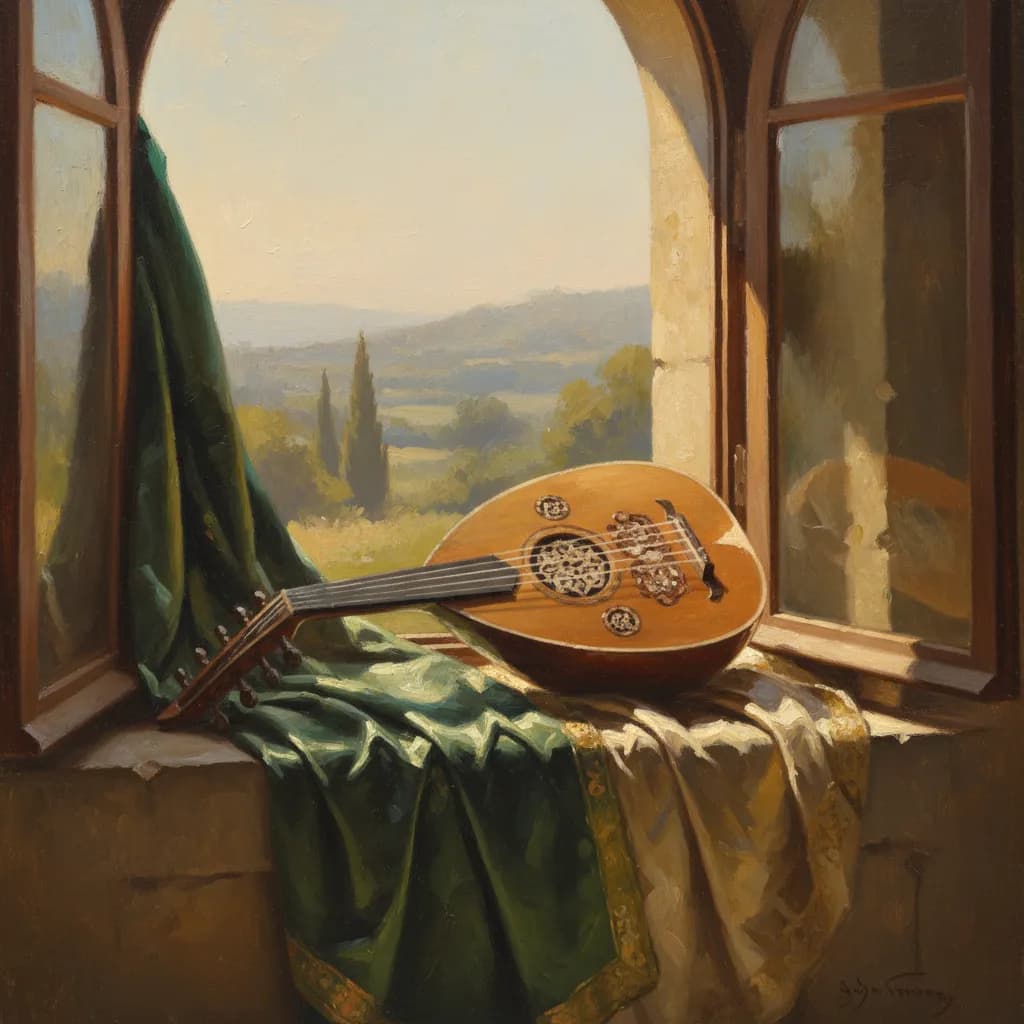
Few topics in Islam spark more debate than music. You will find Muslims who listen to music daily and others who avoid it completely — and both groups cite scholars to support their position. It is one of the most common questions people type into the halal checker.
So what is the actual ruling? The majority of classical scholars considered musical instruments haram, but this is not a unanimous position. There is legitimate scholarly disagreement, and the answer depends on the type of music, its content, and which scholars you follow.
Quick Answer: The majority of classical scholars (including the Hanafi, Shafi'i, and Hanbali schools) ruled that musical instruments are haram based on hadith evidence. The Maliki school and some modern scholars permit music that does not contain sinful content or lead to sinful behavior. Vocal-only nasheeds are permissible by consensus.
What Does Islam Say About Music?
The primary evidence cited against music comes from both the Quran and Sunnah.
In the Quran, Allah (SWT) says:
وَمِنَ النَّاسِ مَن يَشْتَرِي لَهْوَ الْحَدِيثِ لِيُضِلَّ عَن سَبِيلِ اللَّهِ
Wa min an-nasi man yashtari lahw al-hadith li-yudilla 'an sabil-illah
"And of the people is he who buys the amusement of speech to mislead others from the way of Allah." — Surah Luqman, 31:6
Ibn Mas'ud (may Allah be pleased with him), one of the Prophet's ﷺ closest companions, swore by Allah three times that "lahw al-hadith" in this verse refers to singing. This interpretation is also reported from Ibn Abbas and Jabir ibn Abdullah (Tafsir al-Tabari).
From the Sunnah, the most frequently cited hadith is:
"There will be among my Ummah people who will regard as permissible adultery, silk (for men), alcohol, and musical instruments." — Narrated by al-Bukhari, 5590
This hadith groups musical instruments (معازف — ma'azif) with things that are clearly haram. Scholars who prohibit music argue this is decisive evidence.
However, there is also an authentic hadith permitting the duff (frame drum):
The Prophet ﷺ said: "Announce this marriage. Hold it in the mosques and beat the duff for it." — Narrated by al-Tirmidhi, 1089
And in another narration, the Prophet ﷺ allowed two young girls to sing and play the duff during Eid, telling Abu Bakr (who tried to stop them): "Leave them, O Abu Bakr, for these are the days of Eid." (Narrated by al-Bukhari, 949)
Scholar Opinions
Scholars are split on this issue, and the disagreement is centuries old.
| Scholar / School | Ruling | Key Evidence |
|---|---|---|
| Majority (Hanafi, Shafi'i, Hanbali) | Haram (musical instruments) | Bukhari 5590, Surah Luqman 31:6, statements of Companions |
| Some Maliki scholars | Permissible with conditions | No explicit prohibition in Quran; hadith evidence is disputed |
| Ibn Hazm (Zahiri) | Permissible | Critiqued the chain of Bukhari 5590 as disconnected (mu'allaq) |
| Al-Ghazali | Permissible unless it leads to sin | Music itself is neutral; context determines the ruling |
| Yusuf al-Qaradawi (modern) | Permissible if content is clean | Islam does not prohibit enjoyment; only sinful content is haram |
The majority position — that musical instruments are haram — is the stronger opinion in terms of classical scholarship. It is held by the Hanafi, Shafi'i, and Hanbali madhabs, backed by direct hadith evidence. For a dedicated look at whether instruments themselves are prohibited, see are instruments haram.
The minority position — that music is permissible with conditions — is held by some Maliki scholars, Ibn Hazm, al-Ghazali, and several prominent modern scholars. They argue that the hadith evidence is not strong enough for a blanket prohibition, and that what matters is the content and context.
Both positions have scholarly weight. This is a genuine ikhtilaf (difference of opinion), not a case of one side simply being wrong.
Conditions and Exceptions
Even scholars who prohibit music generally agree on these points:
- The duff is halal. It is explicitly permitted in authentic hadith for weddings, Eid, and celebrations.
- Vocal-only nasheeds are permissible. Songs praising Allah, the Prophet ﷺ, or containing Islamic reminders — without instruments — are allowed by virtually all scholars. See is it haram to listen to nasheed for a dedicated breakdown.
- War drums and functional sounds are exempted. Sounds used for a practical purpose (alarms, announcements) are not considered "music" in the scholarly sense.
Even scholars who permit music agree that it becomes unambiguously haram when:
- The lyrics promote sin — alcohol, drugs, adultery, violence, or disbelief
- It is combined with other haram activities — drinking, free mixing with haram behavior, etc.
- It distracts from obligatory worship — if music causes you to miss salah or neglect the Quran
- It leads to excessive attachment — spending hours daily consumed by music at the expense of dhikr and beneficial activities
For the closely related question of whether singing is haram, the same evidence and scholarly positions apply, though the vocal dimension introduces some additional nuance.
Common Misconceptions
Q: Is all music haram without exception? No. Even scholars who prohibit instruments allow the duff and vocal nasheeds. No classical scholar made a blanket prohibition on every type of sound or singing. The debate is specifically about musical instruments (ma'azif) and, to a lesser extent, singing with provocative content.
Q: Did the Prophet ﷺ listen to music? He allowed singing and the duff on specific occasions (Eid, weddings, the arrival in Madinah). He did not listen to instrumental music. Scholars on both sides of the debate agree on these facts — they disagree on what it means for modern music.
Q: Is it haram to play background music in a store or car? Scholars who consider instruments haram would say yes, regardless of the setting. Scholars who permit music with conditions would say it depends on the content. If you follow the majority opinion, you would avoid it. If you follow the minority opinion, clean instrumental or vocal music would be permissible.
Not sure whether something specific is halal or haram? Try the AI Halal Checker for an instant ruling with Islamic references.
Halal and Haram Topic Guide
Explore general information about food, activities, and daily life
Free Islamic Tools
See all →Summary
Music is one of the most debated topics in Islamic fiqh. Here is where things stand:
- The majority of classical scholars ruled that musical instruments are haram, based on hadith in Sahih al-Bukhari and the interpretation of Surah Luqman 31:6
- A minority of scholars — including al-Ghazali, Ibn Hazm, and several modern jurists — permit music that has clean content and does not lead to sin
- The duff (frame drum) is explicitly permitted in authentic hadith
- Vocal-only nasheeds with permissible content are halal by consensus
- Any music with sinful content (promoting alcohol, adultery, etc.) is haram by consensus
- If music causes you to neglect salah or the Quran, it is haram regardless of which opinion you follow
The safest path is to follow the majority opinion and limit yourself to nasheeds and the duff. If you follow a scholar who permits music with conditions, ensure the content is clean and it does not distract from your obligations to Allah.
For more Islamic rulings and guides, explore the Islamful blog or check your daily prayer times.
والله أعلم — And Allah knows best.
Frequently Asked Questions
Is listening to music a major sin in Islam?
The majority of classical scholars considered musical instruments haram, but most did not classify casual listening as a major sin (kabira). It is generally regarded as a minor sin by those who prohibit it. However, music combined with alcohol, lewdness, or content that promotes disobedience to Allah is considered far more serious.
Is nasheed without instruments halal?
Yes. Virtually all scholars agree that vocal-only nasheeds with permissible lyrics — praising Allah, the Prophet ﷺ, or containing beneficial reminders — are halal. The Prophet ﷺ himself heard the Ansar singing nasheeds upon his arrival in Madinah.
Are the duff and drums halal in Islam?
The duff (a simple frame drum) is explicitly permitted in authentic hadith, especially for weddings and Eid celebrations. Other drums and percussion instruments are debated — some scholars permit them, while others restrict permission to the duff only.
Can I listen to Quran recitation with background music?
No. Scholars unanimously agree that the Quran must be recited and listened to with reverence. Adding background music or beats to Quran recitation is considered disrespectful and is not permissible regardless of which opinion on music you follow.